
"level 2"
10000 article(s) found

A brief discussion on the perennial evergreen shrubs of the genus Coffee
1. Summary: coffee is a perennial evergreen shrub or small tree of Rubiaceae. It is native to tropical Africa and has been cultivated for more than 2000 years. The Arabs began to grow coffee in 525 BC, and it was popular for Arabs to stir-fry coffee beans. They began to grow coffee beans on a large scale after the 15th century, and were widely distributed in the tropics and subtropics of Europe, Asia, Africa and Latin America after the 18th century.

Knowledge about coffee raw beans classification and nomenclature of coffee in different countries
What exactly do G1, G2, G3, G4, AA, PB, SHB, SHG, EP and PLANTATION represent? The name of a coffee may contain messages such as country, producing area, variety, treatment, cup quality, bean order, bean shape or color, defect, raw bean density, etc. To really understand the naming of coffee, we must first understand the classification and classification of coffee. The grading of coffee

Introduction to the difference between Sidamo Coffee Flavor description and Yega Xuefei
Introduction to the difference between Cedamo Coffee Flavor description and Yega Chuefei Coffee the highest grades of Yirgacheffe and Sidamo are Grade 2 and Grade 3 (G2, G3), while most of the sun-processed coffee in eastern Ethiopia are Grade 4 or Grade 5 (G4, G5). In many cases, level 4 coffee is marked as level 5 in order to reduce taxes

From a technical point of view, is there an opportunity for milk tea to replace coffee?
Professional barista communication please follow the coffee workshop (Wechat official account cafe_style) Tiger sniff Note: Tianfeng Research Institute wrote an article on June 5, 2017, "A successful example of the Catering Industry, Why Starbucks?" Xicha and Starbucks are two examples in the article. This leads to a question: can milk tea replace coffee? Of course, the answer to this question is from the root cause.

What are the world-famous Ethiopian coffee? What kind of coffee do you have in Ethiopia? Africa
The world-famous Ethiopian coffee is mainly as follows: 1. Limu coffee grows between 1400 meters and 2000 meters above sea level. Wash the coffee. Excellent quality, with strong nut aromas, suitable acidity, with the intensity of wine. The annual output is 29000 tons. 2. Jima Coffee grows between 1400 and 1800 meters above sea level. Sun-baked coffee. Slightly sour, with nutty aromas and a long finish. Annual output

General knowledge of boutique coffee six kinds of world-famous Ethiopian coffee
1. Limu coffee grows between 1400 meters and 2000 meters above sea level. Wash the coffee. Excellent quality, with strong nut aromas, suitable acidity, with the intensity of wine. The annual output is 29000 tons. 2. Jima Coffee grows between 1400 and 1800 meters above sea level. Sun-baked coffee. Slightly sour, with nutty aromas and a long finish. The annual output is 70000 tons. 3. Growth of Gamby Coffee

The grade of Ethiopian coffee
The highest grades of Ethiopian washed coffee Yega Chuefei G1 G2 Sidamo (Yirgacheffe, Sidamo) are Grade 2 and Grade 3 (G2, G3), while most of the sun-processed coffee in eastern Ethiopia are Grade 4 or Grade 5 (G4, G5). In many cases, level 4 coffee is marked as level 5 in order to reduce taxes. At present, the grading is not uniform and messy, because there is also sun processing.

Baristas introduce the definition of baristas
Barista occupation definition: a person engaged in coffee blending, production, service, coffee industry research, cultural promotion, etc. Career profile: since Venice opened its first coffee shop in the world in 1645, the coffee industry has spread rapidly and spread all over Europe and all over the world. Coffee has become a necessity in people's lives. Coffee is one of the three major drinks in the world, and so is coffee.
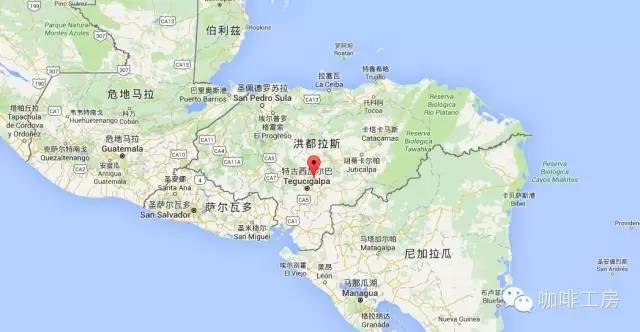
Honduras Coffee Bean Taste Sweet Orange Manor Coffee Bean Light Roast Hand Brewed Ground Brewed Flavor Description
Honduras coffee beans taste flavor description of the varieties of production region introduction Honduras coffee beans particle shape larger, consistent size, uniform color shiny. To facilitate harvesting, farmers will prune coffee trees to no more than 150 cm, because they are too tall to be picked by ladders, which not only takes time
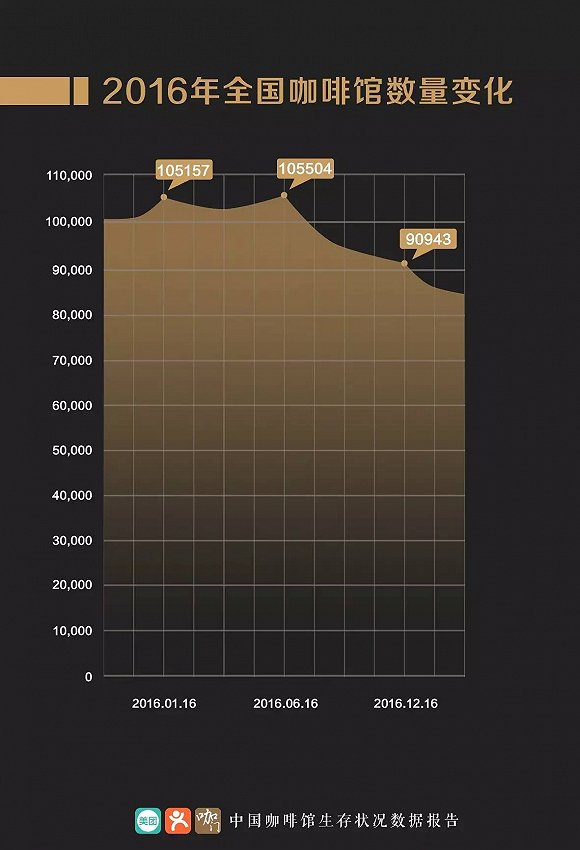
How many cafes are there in China? What's the living condition? (2)
Coffee shop cities rank Shanghai has the largest number of cafes, the lowest closure rate, the highest level of operation ▲ 16 cities coffee shop quantity changes ▲ 16 city coffee shop ranking data analysis 1) the 16 cities extracted from the data showed negative growth, with an average closure rate as high as 14.1%; 2) the lowest decline was 3.0% in Shanghai, 25.4% in Chengdu and 14.7% in Beijing. 3) Beishangguang

What are the health benefits of drinking coffee regularly?
First, is it good to drink coffee often? Drinking coffee often is good for the liver, but it can easily lead to myocardial infarction, so we should pay attention to the right amount of coffee. 2 cups of coffee a day can protect the liver. In this way, we not only enjoy the taste and artistic conception of coffee, but also have health. The relevant data are as follows: ● drinking coffee can easily lead to myocardial infarction. A new study shows that there is a

Introduction to the grinding scale of the flavor description of Ethiopian coffee varieties and regions
Ethiopian Coffee Variety and Regional Flavor description Taste treatment Grinding scale introduction since Ethiopia's grading system is still very backward, it can be divided into special grades (usually Yirgacheffe and Sidamo), level 1, level 2, level 3, level 4 and level 5. In Ethiopia, Japanese beans are usually found, such as small stones or twigs

Introduction to the grade of Ethiopian coffee
Grade of Ethiopian coffee: Ethiopian washed coffee Yega Chuefei G1 G2 Sidamo (Yirgacheffe, Sidamo) has the highest grades 2 and 3 (G2, G3), while sun-processed coffee in eastern Ethiopia is mostly grade 4 or 5 (G4, G5). In many cases, level 4 coffee is marked as level 5 in order to reduce taxes. At present, the classification is not uniform and there are
Boutique coffee the definition of barista
Job definition: a person engaged in coffee blending, production, service, coffee industry research, cultural promotion, etc. Career profile: since Venice opened its first coffee shop in the world in 1645, the coffee industry has spread rapidly and spread all over Europe and all over the world. Coffee has become a necessity in people's lives. Coffee is one of the three major drinks in the world, and it is also one of the best drinks in the world.
Han Clinique Hanchebe, the producer of Yejia Sheffield Coffee, introduces how to drink Yega Sheffield Clinique with water.
Professional coffee knowledge exchange more coffee bean information please pay attention to the coffee workshop (Wechat official account cafe_style) what is the substantial difference between sunburned and washed Yejiaxuefei? Ethiopia washed Yega Snow Fields G1 Clinique LOT#2 (Ethiopia Yirgacheffe Hanchebe Lot#2 Washed) introduction: this batch of water washed Yega Xuefei G1

Points for attention in the examination process of Q-Grader raw beans how to distinguish defective coffee beans
CQI Coffee quality Institute's Q-Grader Coffee tasting Test has always been the most stringent and valuable sensory test in the global coffee industry. In this examination, in addition to the higher requirements for the sensory ability of candidates, but also have a certain understanding of the basic knowledge of coffee. Explain,

What kind of plant does coffee belong to?-what kind of plant is coffee grounds suitable for growing?
In fact, the Arabs began to grow coffee in 525 BC, and chewing fried coffee beans became popular in the Arab region. In 890 AD, Arab merchants sold coffee beans to Yemen, and Yemenis made coffee beans into drinks for the first time. In the 15th century, coffee was introduced into Europe, Asia and soon into America. By the 18th century, tropical and subtropical regions around the world were widespread.

Description of Grinding scale Flavor of Katim Coffee beans Variety introduction of Manor treatment
In the suitable forest land, the annual average temperature is 1921 ℃, the accumulated temperature of 10 ℃ is more than 6800 ℃, the coldest monthly average temperature is 11.5 ℃, the absolute lowest temperature is above 1 ℃, the coldest monthly average temperature is 11.5 ℃, the monthly mean temperature of 13 ℃ is more than two months, the extremely lowest general year is above 0 ℃, and some years appear-1 ℃ or short-2 ℃. Below 1200m above sea level, annual rainfall 1

Ethiopian coffee grade washed coffee Yega Xuefei
The highest grades of Ethiopian washed coffee Yega Chuefei G1 G2 Sidamo (Yirgacheffe, Sidamo) are Grade 2 and Grade 3 (G2, G3), while most of the sun-processed coffee in eastern Ethiopia are Grade 4 or Grade 5 (G4, G5). In many cases, level 4 coffee is marked as level 5 in order to reduce taxes. At present, the grading is not uniform and messy, because there is also sun processing.
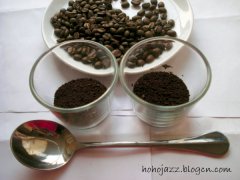
Yunnan small grain cup test (Cupping Test)
8OZ's cup, 16g on the left and 24g on the right, pour in boiling water and let stand for 3 minutes, then stir. Put the powder on the noodle below the liquid level. Put aside the coffee powder floating on the surface and sip the coffee liquid. The following evaluation results only represent personal views and are for reference only. Set the cup to test the full score of each item as 5 points Fragrance aroma 2 Acidty acidity 2 Flavor flavor 2 B.